














Barapk org The Complete Walkthrough for Players
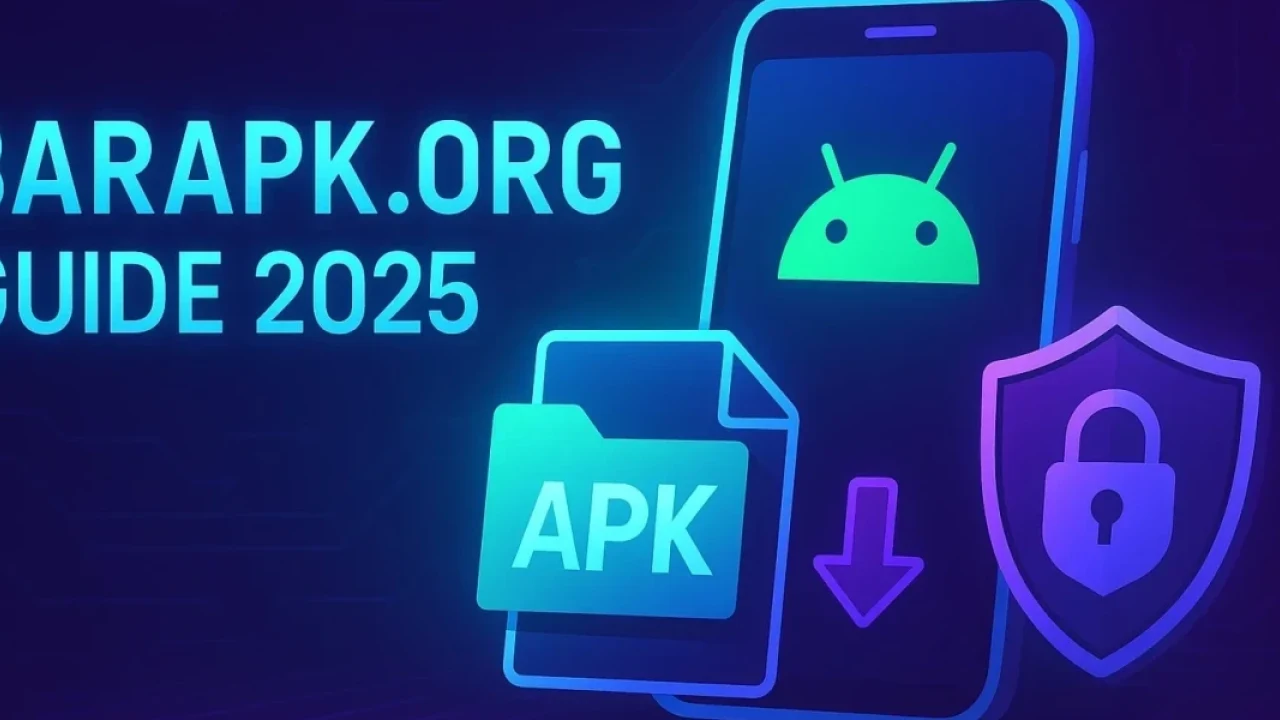
Fast, lightweight, and mobile-first that’s the promise people look for when they search Barapk org. Whether you’re hunting for compact Android experiences for quick breaks or you simply want a simple hub-style “APK” concept explained in plain English, this guide unpacks everything: what “Barapk org” typically implies, how Android APKs work, how to evaluate files safely, and how to build good habits that keep your device clean and your play sessions smooth.
Play Barapk org now on kizi10.org by clicking here: Barapk org.
Below you’ll find a practical, jargon-free primer: a clean definition, a step-by-step “how to” workflow, smart strategies for staying safe, and a friendly FAQ. If you want an SEO-optimized deep dive that you can publish as-is (or trim for a shorter post), you’re in the right place.
What is Barapk org? 📖
When people type Barapk org, they’re usually signaling interest in Android APK content short for Android application packages presented in a hub-like way: simple categories, quick descriptions, and fast access. Think “small, quick-to-install mobile experiences” instead of heavy, feature-bloated apps. The emphasis is typically on speed, compact size, and ease of use on everyday Android devices.
At a technical level, an APK is just the installation file for an Android app. It packages code, resources, and metadata so your device knows how to install and run the app as explained by Android application package. If you’ve ever downloaded an Android app outside an app store, you’ve interacted with an APK.
⚠️ Important: Always follow your local laws and the developer’s licensing. Stick to apps you’re allowed to use, verify integrity, and be cautious with permissions. Your device security comes first.
How to Play Barapk org 🕹️
Below is a neutral, practical workflow for people who want to engage with APK-style content the smart way. This covers discovery, evaluation, installation hygiene, and ongoing maintenance.
1) Discover lightweight titles that fit your device
-
Define your goal: Are you after quick arcade sessions, puzzle breaks, or offline mini-games? Clarifying the “play pattern” saves time.
-
Check size & version: Smaller games load fast and consume less storage. The version number tells you how current the package is.
-
Skim changelogs: Useful for spotting bug fixes, Android compatibility, or feature additions (controller support, frame-rate caps, etc.).
2) Evaluate reputation & risk signals at a glance
-
Description quality: Legit pages explain features, controls, device requirements, and supported Android versions.
-
Screens & gameplay cues: Look for consistent art direction and UI elements that match the description.
-
Permission clues: A basic puzzle game shouldn’t need contact or SMS access. Suspicious permissions are a red flag.
-
Update cadence: Recently updated packages are usually better maintained and more compatible with modern Android builds.
3) Integrity & safety checks (hygiene you can’t skip)
-
Compare checksums (if provided): Matching a file’s checksum to a published value helps confirm integrity after download.
-
Scan before install: Use your device security tool to scan the APK. If your scanner warns you, do not proceed.
-
Sandbox thinking: If a title is experimental, install it on a secondary device first.
4) Install cleanly with minimal friction
-
Allow one-time installs: If your device blocks “unknown sources,” enable it once for the install, then disable it again.
-
Mind storage: Keep at least 10–15% free storage to avoid performance dips.
-
Controller & input: For action games, consider a Bluetooth controller. For puzzle/arcade, touch is usually enough.
5) First run checklist (performance & privacy)
-
Permissions audit: Deny anything that feels unrelated to the game’s core functions.
-
Graphics & FPS: Many titles expose basic settings. Favor stability over maximum effects.
-
Notifications: Turn off aggressive notification prompts you don’t need.
6) Keep a tidy library
-
Review & remove: If you stop playing an app for a month, uninstall it to reclaim space and reduce security surface area.
-
Update rhythm: Periodically check for updates after major Android version bumps.
-
Backup saves: If the title supports local saves, copy them before uninstalling or factory resets.
Top Tips & Strategies 💡
These tactics protect your device, your time, and your focus so you can enjoy Barapk org–style content without headaches.
A) Permission hygiene
-
Need-to-have only: A simple runner shouldn’t ask for contacts, SMS, or camera access. Deny and reassess.
-
Scoped storage: Prefer apps that store data in their own directory, not all over your device.
B) Storage & battery discipline
-
Cache control: Clear caches occasionally to keep performance snappy, especially on budget phones.
-
Battery saver windows: For long sessions, toggle battery saver when frame rate isn’t mission-critical. For rhythm/precision games, keep it off to retain responsiveness.
C) Input settings that actually help
-
Tap tolerance: Some games include dead-zone or sensitivity sliders tune them for your thumb size and device screen.
-
Controller mapping: If supported, bind frequently used actions to shoulder buttons for quicker reaction times.
D) Privacy-first mindset
-
Offline mode: If a game works offline, play it offline when you can. Less network chatter = fewer surprises.
-
Analytics toggles: Many apps expose crash/analytics switches. Opt out if you prefer minimal data sharing.
E) Performance quick wins
-
Background apps: Close heavy apps (video editors, social feeds) before launching games.
-
Thermals: Warm devices throttle. Use a stand and avoid charging while playing to keep temperatures down.
-
Resolution vs. smoothness: Smooth 30–60 FPS beats “maxed graphics” on small screens.
F) Discoverability without noise
-
Theme clusters: Group titles by vibe (e.g., “one-thumb arcades,” “portrait puzzlers,” “offline racers”). This helps you switch quickly when your brain wants a different flavor.
-
Shortlists: Keep 5–7 “always good” titles accessible for instant play.
G) Responsible play loops
-
Session caps: 10–15 minute sessions reduce eye strain and prevent “just one more” spirals.
-
Ergonomics: Switch hands, stretch your wrists, and blink breaks for eye comfort during longer runs.
Why Barapk org Is So Addictive 🔁
Instant access, instant feedback. Android-friendly, small-footprint games launch fast and deliver satisfying loops perfect for a bus stop wait or a study break. That low friction is catnip for busy players.
Tiny packages, big creativity. Compact mobile titles often focus on one elegant mechanic a clean jump arc, a timing rhythm, a simple physics twist that’s easy to learn yet difficult to master.
Offline resilience. When the Wi-Fi stutters, these games keep going. No endless patching, no account lockouts just play.
Personal pacing. You control the intensity: bursty 3-minute sprints or zen-like puzzle marathons. Either way, the loop respects your time.
Similar Games/Blogs You’ll Love 🧭
If you enjoy the fast, lightweight feel associated with Barapk org–style experiences, these real quick-play picks from our network fit perfectly into a short break:
-
See also: Mad Gunz Online pixel-chaos FPS with instant action and short rounds.
-
See also: Moto Road Rash 3D blistering speed, tight traffic reads, and razor-thin overtakes.
-
See also: Wheelie Bike minimalist balance and timing that becomes endlessly addictive.
-
See also: LOLBeans obstacle-course mayhem with quick eliminations and big laughs.
-
See also: Among Us Single Player stealthy solo missions when you wanBarapk orgtrong.
Conclusion ✅
Barapk org captures the charm of mobile gaming at its best: tiny downloads, fast sessions, and clever mechanics that respect your time. Treat APKs with care verify integrity, be strict about permissions, prefer stable versions, and clean up what you don’t use. With a few smart habits, you’ll build a pocket library of instant-fun games that travel anywhere your phone does.
Keep your device secure, your play sessions focused, and your expectations realistic. The reward is simple: more fun with less friction.
FAQ ❓
1) Is “Barapk org” a single app or a general idea?
It’s best understood as a search phrase people use for APK-style, compact Android play hubs fast access, small files, and quick sessions rather than one specific, official app name.2) Are APKs safe to install?
They can be, if you practice hygiene: verify integrity checks when available, scan before install, watch permissions, and prefer reputable, legal sources. When in doubt, skip it.3) Do I need to leave “unknown sources” enabled?
No. Enable it just for the install, then turn it off again. That keeps your device safer from accidental installs.4) Why do some tiny games ask for big permissions?
Sometimes it’s due to embedded SDKs or legacy code. If a permission doesn’t fit the game’s function, deny it or choose a different title.5) What’s the fastest way to keep things smooth on older phones?
Close heavy background apps, keep at least 10–15% free storage, choose stability-first graphics settings, and clear caches periodically. Consider offline titles for consistent performance.