










Basketball Crazygames
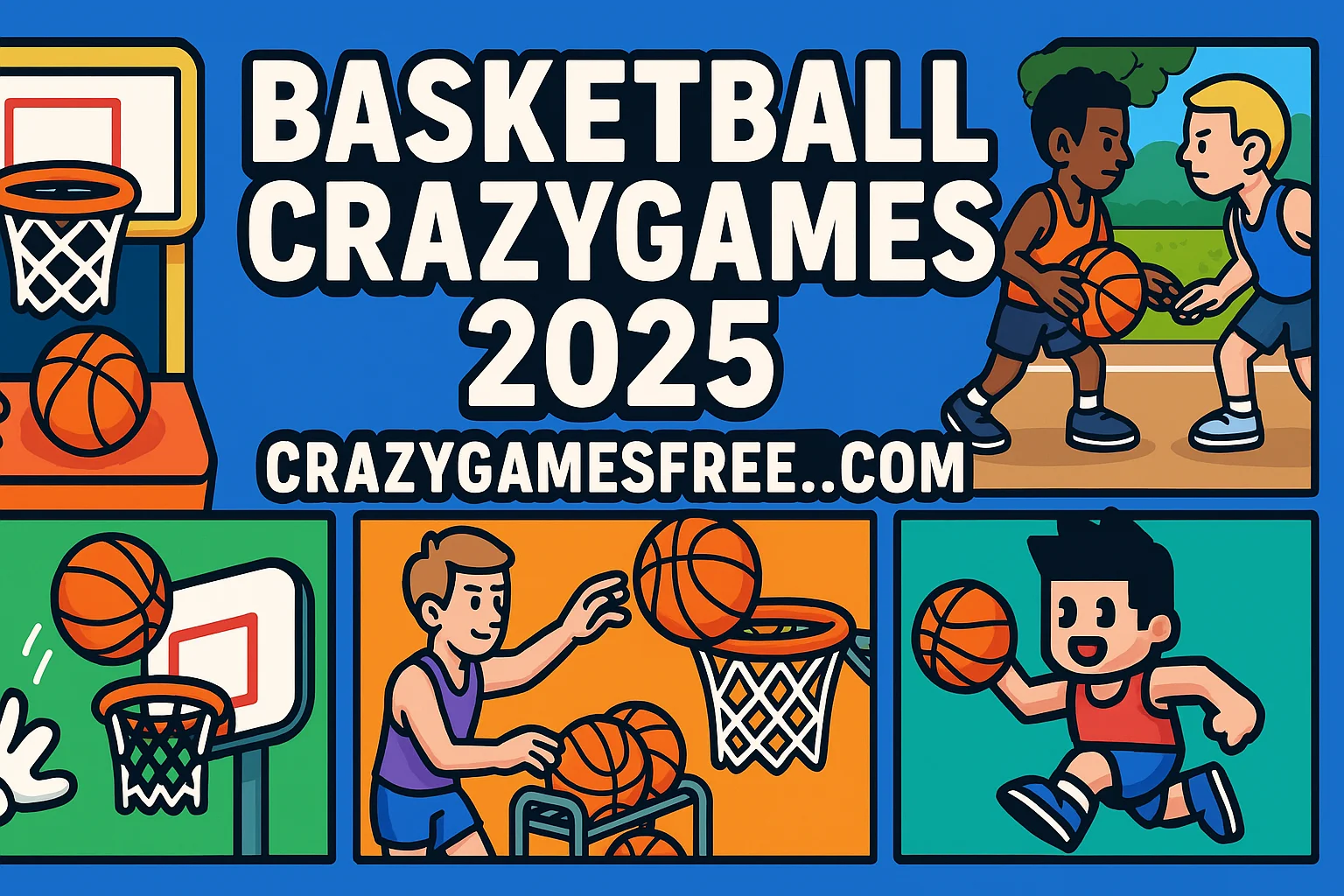
Think of a tight page where every click lands you inside a court in seconds. The best implementations orbit a simple promise: make a shot, feel it instantly, repeat. Free throws and three point contests are the on-ramp. Arcade dunk loops add timing windows and height control. Competitive modes compress all of that into bite sized rounds where you watch wind arcs, bank angles, and stamina bars. Players arrive for five minute bursts between classes or during a short break, and the loop respects that. Controls are readable at a glance, and the camera never hides the rim. The trick is velocity tuning. If the ball accelerates too fast, misses feel random. When the arc reads cleanly, even a brick feels fair because you know why it rimmed out.
🚀 Why basketball crazygames hits when attention is short
Short sessions are everything. A clean landing page avoids logins and keeps the play button stable so the cursor does not chase shifting UI. On old laptops, stable frame time beats maximum frames. You feel the difference when the ball leaves your hand at the exact moment you release. Good pages defer anything not needed to boot. Analytics can wait until the second interaction. This restraint is why quick-play hoops keeps a steady audience in school labs and on work machines. People remember how painless it felt to start and how easy it was to try just one more shot.
🧭 Getting started with basketball crazygames
Open the category, scan the tile art, and pick a mode that matches your mood. If you want chill, start with a free throw trainer that shows a faint guideline. If you want spice, pick a trick-shot sandbox. The early minutes should be calibration. Learn the release window, then learn how wind and bank angles change the arc. A useful warmup is to aim for five swishes in a row from a fixed spot. After that, move one step left and repeat so your eyes learn new parallax. These tiny drills turn your shot into muscle memory before the timer is loud.
🎮 Skill builder drills in basketball crazygames
Two micro drills deliver the most progress. First, the cadence drill: release on a metronome count so your brain tracks rhythm rather than panic. Second, the glass drill: target backboard squares intentionally. It forces you to see line and speed rather than guessing. In head-to-head modes, treat the first round as recon. Watch what the other player misses. If they miss long, push the tempo with higher arc shots they are less likely to copy. If they miss short, set a fast rhythm and keep pressure. The goal is not mind games. It is simply running your plan while they chase you.
📱 Mobile and low spec tips for basketball crazygames
Touch screens reward short, confident swipes. Keep your finger pad dry and your swipe lanes consistent. If you are on a school Chromebook or an older office laptop, use fullscreen to avoid accidental tab steals. Reduce browser zoom one notch so the canvas renders efficiently and the shot timing feels honest during frame spikes. Sound cues help a lot. Rim clanks and net snaps teach more than a HUD bar. Headphones are a cheat code in noisy spaces because you pick up the millisecond you released off rhythm.
🧩 Modes you should try in basketball crazygames
Free throw trainers build mechanics. Three point racks practice quick target changes and release discipline under pressure. Time attacks teach pacing because overeager spamming costs accuracy and points. Trick rehearsals feel like skate parks for hoops. You learn a goofy bank off a lamp, then chain it with a bounce over a barrier, and suddenly a five minute break becomes a mini session of creative problem solving. Local hot-seat modes are underrated. Passing the device makes each shot a tiny social event. People cheer a bank like it is an impossible dunk, and the vibe keeps your page bookmarked.
🧠 SEO and monetization for basketball crazygames portals
If you run a portal, honest blurbs beat keyword soup. Use one clean sentence that explains the loop and one sentence that offers a challenge. For example: “Aim, set arc, release. Land three perfects in a row and the timer extends.” Keep ad units predictable and outside the canvas. A fixed rectangle beneath the court is fine. Interstitials on load are not. They make a school device look suspect and players bounce. Internally, link from a finished run to a similar skill title with a small “Try next” button. This nudge increases play time without feeling like a trap.
🧭 The anatomy of a perfect hoop
The camera sits so you see both the shooter and the rim. The rim has readable depth so a swish is visually distinct from a bounce. The power bar or gesture guideline is transparent, not a wall. Misses show learnable feedback. If the ball drifts right, the next attempt should invite a small correction, not a guess. Audio feedback stays crisp at low volume, which matters in shared spaces. You want to hear the net without waking a room.
🧪 How to test like a real player
Play with sound off. Play on a trackpad. Play with a tab open to a doc so you can feel the hit of a background process stealing time. If the shot window still feels friendly, you nailed the design. Ask a friend to take ten shots cold. If they score zero, your first minute is hostile. If they score three and grin, your loop is sticky. Small sample, big signal.
⚙️ Performance checklist that actually moves the needle
Preconnect to your CDN. Compress textures and sprite sheets. Defer fonts that are not visible on first paint. Keep total transferred weight light so school Wi-Fi does not kneecap the open. Browser games live and die by trust. The fastest way to build trust is to load reliably. The second fastest way is to make missed shots feel fair.
🎯 Controller and keyboard tips
Mouse gives the cleanest release because you can stop sharply. Touch feels more expressive for arc play in trick modes. If the title supports controllers, keep dead zones low and aim curves gentle so stick micro-adjustments do not overshoot. Whatever your tool, pick one sensitivity and stick to it across titles. Consistency builds skill faster than chasing tweaks.
🧩 Designing a session that does not eat your day
Start with a three minute timer. If you nail a personal best, stop there. The brain loves a small win more than a long grind. For study hall or lunch, quick cycles feel respectful. Build the habit of setting one micro goal. “Five swishes.” “One bank off the clock.” The moment you hit it, close the tab and move on. This ritual keeps the experience positive and the site part of a healthy routine.
🧠 How the real sport shapes the feeling
Browser hoops feel right when they borrow from real court logic. Release timing correlates with arc. Foot placement changes the visual parallax even if your avatar stands still. Bank shots exist for a reason, not as a gimmick. That link to history is what makes small web titles more than toys. Even a simple free throw trainer nods to fundamentals that people recognize from watching pros. You do not need a photorealistic court. You need feedback that speaks the same language as backyard shots.
🔧 Small fixes with outsized impact
Make the first button big and obvious. Avoid shifting layout so the cursor does not miss. Keep instructions short. Replace long paragraphs with three bullets: aim, power, release. Show the pause key on the court so people can take a quick call without losing a run. Light success confetti helps first timers; mute it fast for regulars. Every decision should respect the player’s time and context.
🧭 Example micro-reviews that help curation
“Chill free throws with a forgiving window. Great first warmup.”
“Three point rack with lively timers. Miss two and you feel it.”
“Trick bank park. Physics is playful, not picky.”
“Hot-seat shootout. Perfect for one device at lunch.”
These one liners tell a story quickly and keep discovery fun.
🧾 Community guidelines, short and friendly
Use headphones in shared spaces. Keep sessions brief when work is pending. If you find a broken link or a bug, report it and describe what happened so the fix is fast. That is all most hubs need. The calmer the culture, the longer the site lives happily on school networks.
❓ FAQ about basketball crazygames
Is this a good pick for short breaks
Yes. Most titles load fast and let you take real shots within seconds, which fits three to five minute windows.
What device works best
A modest laptop with a mouse feels most precise. Touch works well for arc control on trick maps.
Do I need audio
Not required, but soft net sounds and rim clanks help you learn release timing even when the UI is minimal.
How do I stop missing left or right
Watch your release angle and keep your swipe or mouse motion straight. If you drift, aim a hair inside and practice five repetitions to lock the feel.
Any easy warmup routine
Ten free throws from a fixed spot, then five banks from the same distance. Short, focused, and it clarifies your rhythm.
Why does timing feel different between titles
Each physics set tunes gravity and air drag a little differently. Give yourself one minute of calibration when you switch.
Are multiplayer shootouts worth it
They are fun when you want pressure. If you are practicing form, stick to a quiet trainer first so you do not bake panic into your release.
Can older Chromebooks handle it
Usually yes. Fullscreen helps, and reducing browser zoom by a notch can stabilize the frame time on rough Wi-Fi.
How do I keep sessions healthy
Set a tiny goal before you start and stop when you hit it. Ending on a win builds a positive loop that makes you want to come back tomorrow.