


Body Drop: Mouse Controls, Camera and Physics Strategy
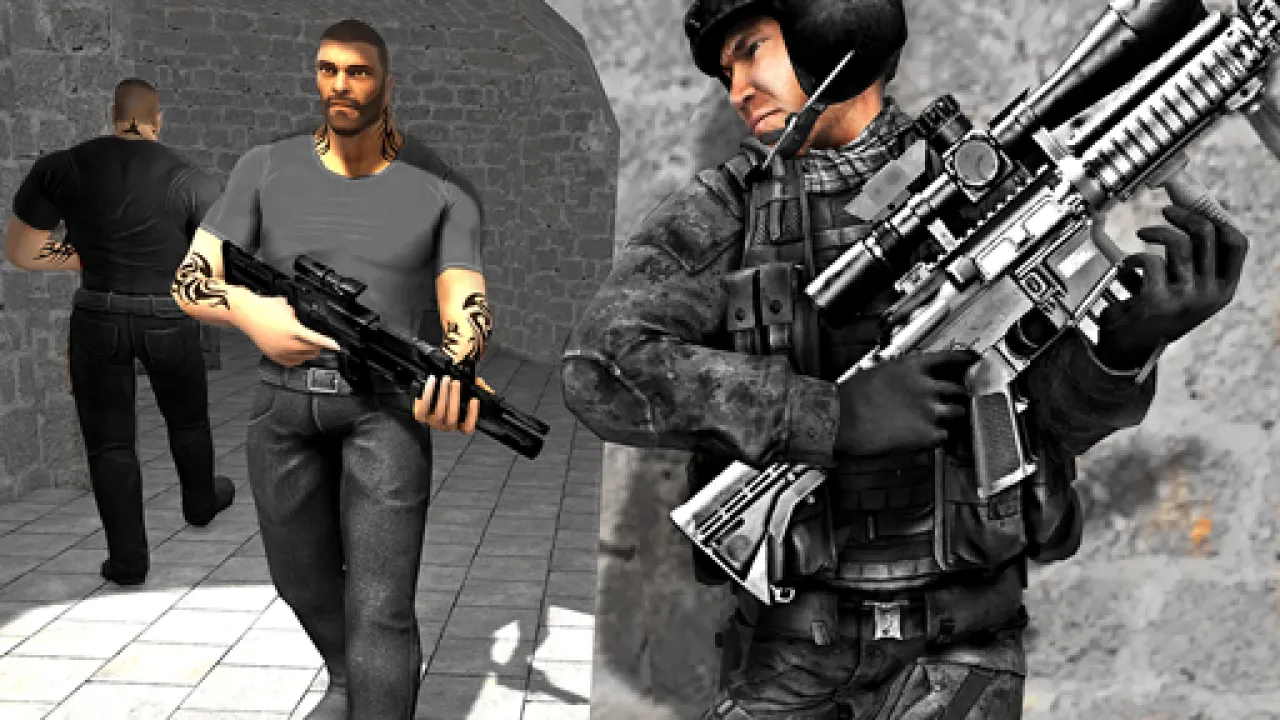
Body Drop is easiest to understand as a small physics experiment: choose where to strike a dummy, watch how the impact changes its fall, and use the result to plan a better attempt. In the exact Body Drop game hosted here, you launch balls with the left mouse button, rotate the camera with the right mouse button, and zoom with the mouse wheel. Those controls give you separate tools for acting and observing, which is the starting point for more deliberate play.
Know what you are actually controlling
The central interaction is firing balls at the dummy to produce damage through impacts and falls. That is different from directly steering every limb through the air. Once a collision starts, the scene's physics determines much of what follows. Treat the shot as the beginning of a sequence, then observe the consequences. Clicking again immediately can hide which impact produced the useful movement and which merely interrupted a promising fall.
The dummy and the structures around it form the puzzle. Before shooting, identify the nearest edge, the surfaces below, and any visible obstacle that might stop or redirect the body. You do not need a technical simulation model to make a sensible prediction. A clear account such as pushing the upper body toward that ledge is enough to test. The purpose is to replace indiscriminate clicking with one intention you can compare against the actual result.
Use the camera before spending an attempt
Rotate the camera with the right mouse button until you can distinguish depth from overlap. From one viewpoint, a platform may appear directly below the dummy even when it sits farther back. A second angle can reveal that difference before your shot relies on a false assumption. Camera movement is an information-gathering action, so use it to answer a question about the scene rather than continuously orbiting while trying to fire.
Zoom out to see the likely route of a longer fall, then zoom in enough to place the opening shot. Extreme close-ups can make aiming easier while concealing the surface you hope to reach. An extremely wide view has the opposite problem: the route is visible but the target becomes difficult to read. Find a compromise that shows both the intended contact point and the first important obstacle along the projected path.
Separate viewing angle from shot choice
Camera rotation changes what you can see; it does not by itself prove that the dummy or structure has moved. After rotating, re-identify the same ledge and body position before comparing two attempts. Otherwise a familiar angle can make two different shots feel equivalent, or two equivalent shots feel different. Landmarks in the structure are more reliable references than the position of the dummy on your screen alone.
Choose a stable view for a short sequence of tests. You might first compare a shot aimed at the torso with one aimed lower while leaving the view similar. If both the angle and the contact point change at once, the result is harder to interpret. Once you have learned something about contact location, change the camera to inspect the result from another direction. This separates finding information from applying it.
Predict the first collision, not the whole run
A complicated fall contains many contacts, and predicting all of them precisely is unnecessary. Start with the first meaningful event: whether the dummy tips toward an edge, strikes a nearby surface, or remains supported. If the opening movement goes in the wrong direction, the later route is unlikely to match your plan. Improve that first event before trying to engineer a long series of bounces that depends on it.
Imagine a scene with a dummy near a platform edge. One possible question is whether an upper-body impact rotates it over the lip or presses it against a barrier. That is an illustrative experiment, not a claim that every stage has this exact layout. Observe where the body remains supported and which part moves first. Your next shot can then address that specific obstruction instead of simply repeating a stronger-looking click.
Let useful motion finish
When the dummy starts falling, give the motion time to develop. A collision that seems minor can change orientation before a later landing, while an early dramatic movement may end on a safe surface. Judge the complete sequence rather than the first animation. Waiting also prevents you from confusing the effects of several closely spaced shots. If the scene is still resolving, another input may make the comparison less useful.
Do not equate screen shake, a spectacular tumble, or a dramatic camera angle with an objectively better result. Use the feedback the game actually presents and compare similar attempts. If a visible damage or score display changes, read it after the motion settles. If the interface gives less detailed feedback, compare the resulting fall and contact sequence without inventing a hidden multiplier, exact damage formula, or guaranteed scoring technique.
Change one variable between attempts
A simple test notebook can be mental rather than written. Record the scene, your viewing angle, the part of the dummy you aimed at, and what happened first. On the next comparable attempt, change just one of those choices. You might move the contact point slightly or choose a clearer angle. Repeating a controlled comparison helps separate a meaningful adjustment from the normal complexity of the physics.
A useful record describes action and result together: an opening hit near the shoulder turned the body sideways but left it on the platform. That observation suggests a next question about direction or support. An unhelpful record says only that the attempt was bad. Specific notes remain useful even when the outcome is disappointing, because they identify what your next experiment should try to change.
Read structures as routes and stopping points
A structure can create several outcomes. An edge may start a fall, a broad ledge may stop it, and an angled surface may redirect it. Inspect the scene for these roles before deciding where to strike. The visually highest route is not automatically the most effective route if a nearby landing catches the dummy early. Think about the next contact and the movement it allows rather than judging height in isolation.
Pay attention to the difference between clearance and contact. A body that almost passes an obstacle can still catch a limb or turn into the structure. When a route repeatedly fails at the same point, inspect that contact from a new camera angle. The useful correction may be a different opening orientation rather than more shots. This is why the camera controls belong in the strategy, not merely in the presentation.
Aim with a consistent desktop setup
The documented control scheme uses a mouse, including its right button and wheel. A desktop setup with those inputs makes the camera instructions straightforward to follow. Do not assume a touch-only device offers an equivalent gesture for every camera action. If your hardware lacks an input, use only alternatives visibly provided by the game or browser. The word unblocked in an article title does not guarantee device support or override a network policy.
Keep the pointer inside the game when intending to act and make sure the game has loaded before judging responsiveness. On a page with surrounding controls, a wheel movement can scroll the webpage when focus is elsewhere. Re-establish the view before continuing. If performance becomes inconsistent, stop the experiment until the scene runs steadily; comparing two inputs under very different frame conditions makes the result less meaningful.
Recognize common reasons an experiment teaches little
Rapidly launching several balls can produce an entertaining result, but it often obscures the relationship between a particular impact and the fall. Constantly moving the camera while firing creates a similar problem. When you cannot describe what caused the outcome, simplify the next attempt. One clear shot from one clear viewpoint is a better learning test than a busy sequence whose useful contact cannot be identified afterward.
Another trap is repeating a route because it almost worked without examining why it stopped. Almost is useful only when you can name the remaining obstacle. Was the body caught on a ledge, turned away from the drop, or still supported after the opening contact? Each explanation suggests a different adjustment. Identify the failure before choosing the next action; otherwise repetition mainly reinforces the same untested assumption.
Choose a session goal you can evaluate
For an introductory session, make the goal understanding the three mouse controls and producing a predictable initial movement. Later, compare two contact points or learn how a particular structure redirects the dummy. These are concrete goals even when you do not achieve your best score. They let you finish a session with a specific observation rather than judging the entire experience by one unusually dramatic fall.
When browsing beyond this game, use the Action collection to choose a different challenge by its actual controls and objective. Other action games may emphasize movement, combat, or timing rather than ragdoll impacts. Within Body Drop, return to the same useful cycle: inspect the structure, choose the contact point, let the motion resolve, and explain the result. That approach keeps each attempt purposeful without promising a universal shot or an invented scoring shortcut.
Questions before the next shot
What surface currently supports the dummy? Which direction should the first impact move it? Can you see the first likely landing from this camera angle? Have you waited long enough to evaluate the previous attempt? These questions take only a moment, but they turn a chaotic-looking physics scene into a manageable sequence of decisions. A failed test is still useful when it resolves one of them.
There is no need to invent a special upgrade or hidden trick to make progress. The verified controls already provide the important tools: launch, rotate, and zoom. Use them for distinct purposes, keep comparisons fair, and treat uncertain outcomes as observations to investigate. Better judgment comes from recognizing what the dummy actually did, including the quiet stopping points between impacts, rather than assuming every larger tumble must be the better play.