















What “Crazy Games For Girls” Actually Means—No Fluff, Just Facts
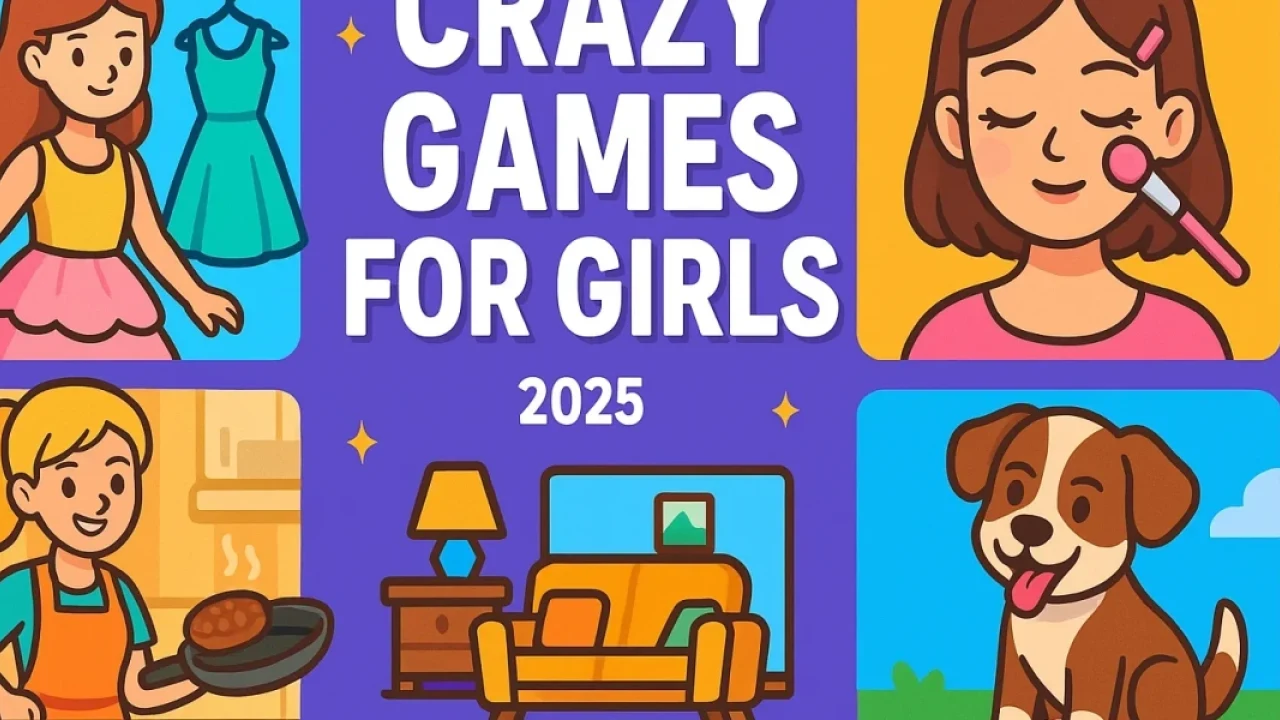
“Crazy Games For Girls” isn’t a genre so much as a vibe: quick-to-learn, instantly playful, and ridiculously replayable. You’re looking at bite-size games that respect your time think dress-up and fashion battles, cooking sprints, makeover speedruns, pet care sims, room decor puzzles, runners, match-3s, rhythm taps, and light story adventures. The common DNA? Simple input, clear goals, fast feedback, and plenty of customization so players can express a mood, an aesthetic, or a character arc. You don’t need a gaming chair or a PhD in keybinds to get going; it’s “open the tab, tap three times, boom you’re vibing.” These games also work great for younger players or anyone who wants cozy instead of sweaty, calm instead of cracked. And yep, they can be way deeper than they first look progression systems, timed events, and challenge ladders make the “one more round” loop dangerously real. TL;DR: it’s casual done right, with fashion, creativity, story snippets, and zero gatekeeping.
🧠 Why This Category Works (and Keeps Working)
Three reasons: mastery curve, expression, and session size. First, the mastery curve is gentle but sticky early wins come fast, then styling themes, level modifiers, and timed challenges kick in to keep you improving. Second, expression is king: players mix outfits, palettes, make-up, furniture sets, pets, stickers, and poses into looks that feel personal. Third, sessions are snackable. You can log a two-minute style battle while waiting for food or crank a 30-minute decor binge at night. That flexibility fits how most of us actually live. The result is a set of games that scale with your mood: chill when you need cozy, focused when you want to min-max. Also, many titles are web-based, which dusts off the oldest rule in gaming: fewer blockers = more play. No downloads, no patching, just click and go. It’s old-school browser energy modernized so of course it slaps.
💅 Core Pillars: Fashion, Flow, Feedback
If you strip the gloss, the loop is simple: theme → create → show → score → upgrade → repeat. “Theme” frames constraints (e.g., “Spring Picnic” or “Retro Neon”). “Create” is your toolset: clothes, colors, patterns, accessories, hairstyles, decals. “Show” is the reveal catwalk, photoshoot, room tour. “Score” can be judge panels, crowd votes, star ratings, or combo chains. “Upgrade” feeds the dopamine: unlocking wardrobes, palettes, emotes, stickers, or crafting materials. The best games make feedback extremely legible. If you miss the target palette or over-accessorize, you see it in the rating and learn on the next attempt. That micro-feedback loop keeps pace snappy and teaches you style systems faster than any tutorial ever could.
🎯 Who It’s For (Spoiler: More People Than You Think)
Newcomers who want fast wins. Stylists who want moodboards with physics. Parents hunting safe, wholesome, browser-friendly play. Streamers who love audience voting chaos. Designers who prototype color/shape ideas. Even “core” gamers jump in as a palate cleanser between heavier sessions. The stereotype that these games are only for kids is cooked adult players show up for the same reason adults play Wordle or Cozy farming sims: a low-stress challenge that lets your brain breathe. You can chase S-ranks if you want, or you can relax and make a cottagecore outfit that looks like a cloud had a picnic. Both paths are valid.
📈 Difficulty & Skill Ceiling (Yes, There Is One)
Day one is color-inside-the-lines; day ten is “I’m layering complementary hues, balancing silhouette weight, and counting texture points while pathing a 90-second timer.” Competitive events and vote-based ladders push the ceiling higher reading themes, predicting meta tastes, and styling efficiently under time pressure are real skills. The trick is constraint fluency: knowing when to anchor an outfit around one statement piece vs. when to build harmony from base layers. The goat players also track currency sink/rush cycles, saving resources for limited-time capsules or seasonal collections that score above baseline.
🧭 The “Meta” of Style Battles (Don’t Overthink But Don’t Sleep)
Metas shift with event themes, seasonal palettes, and community taste. Common safe bets: cohesive color triads, one hero accessory, and silhouettes that read from a distance (big shapes win votes on tiny screens). Underrated: negative space around the fit, hair color that harmonizes with the outfit’s secondary color, and pose selection that sells the vibe. Over-accessorizing is the bronze trap you’re not a Christmas tree. Edit hard. If a piece doesn’t serve theme, color, or silhouette, bench it.
⚡ Time-to-Fun & Session Design
The best experiences cross the “fun line” in under 30 seconds: a tap tutorial, a theme, and you’re styling. Sessions scale: one quick battle (2–3 minutes), a streak of five (10–15 minutes), or weekend event grinds (45–60 minutes) with milestones for cosmetics. Reward cadence matters; look for games that drop small unlocks often and save the big sparkle for streak bonuses. If you’re bouncing off a game, it’s usually because the reward pipe is clogged or the UI hides the “make it pop” tools behind menus.
🧰 Settings That Actually Help (Pro Tips)
Turn on “tap confirm” or “auto-equip preview” to cut menu friction. Use “favorite” stars to keep your top 20 items one tap away. Toggle “color lock” when you’ve nailed a palette so you don’t accidentally swap into chaos. If there’s a “hide UI for photo” mode, use it clean screenshots score better in community voting. And if there’s a “theme hint” toggle, keep it on; those tiny text cues (“cozy,” “formal,” “sporty,” “earthy”) are soft aim-assist for fashion brains.
🧪 Progression That Feels Good, Not Grindy
Healthy progression respects your time: daily check-ins that take seconds, weekly challenges that take minutes, and seasonal arcs that reward consistency not 6-hour marathons. Look for systems where duplicate items turn into crafting dust or dye tokens, and where wardrobe expansion unlocks new synergies rather than pure power creep. Shops should rotate often enough to keep the fantasy fresh, but not so fast you feel FOMO-punched every 24 hours. If a game is all “limited” and no “evergreen,” your wallet sorry, your soul will get tired.
🧷 Safety, Accessibility, and Vibes
For kids or mixed-age households, browser-based titles with clear content filters and chat-off modes are clutch. Accessibility boosters like larger tap targets, color-blind palette previews, and reduced animation options keep play comfortable. Sound cues for timers help, but should never gate success. And yes, moderation matters: upvote systems work best when toxic comments can’t surface. You’re here for cozy creativity, not weird energy.
🔗 🌸 Featured Hub: Crazy Games For Girls Curated Picks, Zero Downloads
If you want a single bookmark that just works, this is it: Crazy Games For Girls. It’s a tidy, continuously refreshed tag page with fashion battles, makeover sims, room decor builders, cooking rushes, match-3s, rhythm taps, and pet care all playable in-browser. No installers, no launchers, no “update required.” You’ll find lightning-fast load times, clean thumbnails, and descriptions that don’t waste your time. Pro move: open two or three games in new tabs, warm them up, and rotate sessions during ad breaks or cooldowns. If you’re curating for a younger player, it’s easy to keep them in safe, ad-light spaces without the chaos of app stores. Bottom line: it’s a dependable hub that respects your time and keeps the fun loop tight.
🧵 Style Theory 101 (Made Simple)
Great looks are built, not lucked. Start with silhouette (A-line, fitted, oversized), then layer texture (denim vs. satin), then land the palette (two main colors, one accent). Accessories are seasoning, not the meal. Shoes anchor the vibe; hair color is a secret third color channel. Poses should echo the outfit’s motion flowy skirt? Choose a pose with movement. Street fit? Strong stance. Snap a clean photo on a neutral backdrop if voting happens on thumbnails. Cohesion beats complexity 9 times out of 10.
🪄 Event Playbook: How to Farm Without Losing Your Weekend
-
Scout first. Check the theme ladder and preview rewards before committing.
-
Prebuild kits. Save template fits for common tags (Cozy, Party, Formal, Sports).
-
Budget wisely. Don’t nuke currency on filler boxes; wait for banner items that score across multiple themes.
-
Streak smart. Play when you can do 3–5 runs in a row streak bonuses scale better than solo bursts.
-
Vote tactically. If player voting grants currency, prioritize it between rounds; it’s “free gold.”
-
Stop early. If you’ve pocketed the key reward, bail. Sunk-cost fallacy is a wallet trap.
🍰 Sub-Genres You’ll See (And How to Win Them)
-
Dress-Up Battles: Theme compliance + readable silhouette + one hero piece.
-
Makeover Sims: Start with skin tone harmony, then brows, then lip/eye contrast, then hair.
-
Room Decor: Triangulate focal points; don’t wall-to-wall the furniture; leave breathing space.
-
Cooking Rush: Two rules queue efficiently and never dead-air your stove.
-
Pet & Care: Keep happiness bars above thresholds before chasing minigame highscores.
-
Match-3: Play for board state, not move count set up vertical/horizontal clears into special tiles.
-
Rhythm Tap: Calibrate latency, play a warm-up track, chase accuracy before flourishes.
🧭 Discoverability: Finding Your Next Favorite
Rotate between curated hubs (like the tag page above), community “best of” lists, and in-game event tabs. Try seasonal content holiday packs often carry extra polish. Watch for games that add camera/pose tools; communities that share looks (even without open chat) stay lively longer. If you’re into storytelling, peek at light visual-novel dress-up hybrids or romance routes; if you want “pure style,” lock into score-chase ladders and weekly theme gauntlets.
🛍️ Monetization How to Keep It Fair
The fairest systems split cosmetics into evergreen (always available), seasonal (rotating), and earnable (challenge-based). You should be able to compete without paying, with paid items expanding your expressive range rather than hard-buffing scores. Beware hard-gated meta items that score above baseline regardless of theme that’s a red flag. Healthy games let skillful styling beat raw spend.
🧱 Common Mistakes (We’ve All Done Them)
-
Palette soup: Too many colors kill cohesion.
-
Accessory overload: Necklaces, hat, glasses, earrings, scarf, belt… pick three.
-
Ignoring the theme’s verb: If it says “Sporty Picnic,” don’t show up in ballroom heels.
-
No contrast: If everything shines, nothing shines. Anchor with matte vs. gloss.
-
Photo clutter: Busy backgrounds wreck thumbnail readability. Keep it clean.
🪜 Beginner → Advanced: A Fast Track
-
Week 1: Learn silhouettes, practice two-color + one accent.
-
Week 2: Add texture play and pose alignment.
-
Week 3: Optimize under timers; memorize quick-equip combos.
-
Week 4: Start reading meta what wins on thumbnails, what voters reward.
-
Month 2: Craft staple pieces that score across multiple tags.
-
Month 3: Enter event ladders, save currency for banner items, and build a wardrobe with range.
🧩 Parents’ Corner: Smart Supervision
Stick to browser hubs with clear ratings and simple toggles. Play a round with your kid set a shared theme and talk through choices (“Why does this color work?”). It turns fashion into a creativity lesson. Use session timers and encourage photo mode as a “share your art” moment instead of an infinite grind. If a game allows open chat, flip it to off; the fun lives in creation, not random DMs.
📷 Sharing, Community, and Keeping It Wholesome
Treat screenshots like a tiny magazine cover: outfit centered, minimal background, pose that sells the fit, and a caption tagging the theme (“#CozyAutumn,” “#RetroNeon”). Upvote generously; communities improve when good looks bubble up. If a platform supports reporting, use it no weird vibes allowed. Remember, the point is creativity and fun, not dunking on beginners. Be the coach you wish you had.
🪞 A Quick Nod to the Roots
If you’re wondering where this all started, the broader idea of dress-up and styling play has deep roots in children’s “dress-up” games and paper dolls, which evolved into digital dress-up experiences over time. That heritage explains why customization feels so natural here it’s play we’ve always done, now turbocharged by browsers and phones. (For a general backgrounder on dress-up play evolving into video games, see the encyclopedia entry on dress-up games.)
❓ FAQ: Crazy Games For Girls
Q: Are these games only for kids?
A: Nah. The session length and creative expression work for all ages. Adults tap in for cozy breaks or to flex style brains between heavier games.
Q: Do I need to spend money to win votes?
A: You shouldn’t. Smart styling beats raw spend. Save currency for items that fit multiple themes; avoid one-off meme pieces.
Q: What’s the fastest way to improve my scores?
A: Limit your palette, anchor one hero piece, pick poses that match the vibe, and keep backgrounds clean.
Q: How do I keep sessions from eating my evening?
A: Use streak goals: 3 rounds and done. Grab daily rewards in under a minute, then close the tab. Rituals > rabbit holes.
Q: My kid wants in safe or nah?
A: Use browser hubs with content filters and minimal chat. Play together first, set a time cap, and keep the fun about creativity.
Q: What sub-genres should I try first?
A: Dress-up battles for fast feedback, room decor for spatial creativity, and makeover sims if you love color theory.
Q: Why do some looks win even when mine feels better?
A: Thumbnail readability. If your masterpiece doesn’t read at small sizes, voters scroll past. Design for the tiny screen first.
Q: Any low-effort wins?
A: Monochrome with texture contrast (matte + satin) is a cheat code. Add one accent accessory and you’re golden.
Q: Browser or mobile app?
A: Browser hubs are frictionless for drop-in play; apps can offer deeper progression. Use both depending on your mood.
Q: How many links do I need to remember?
A: Honestly, just keep one tab: Crazy Games For Girls. It’s curated and quick.